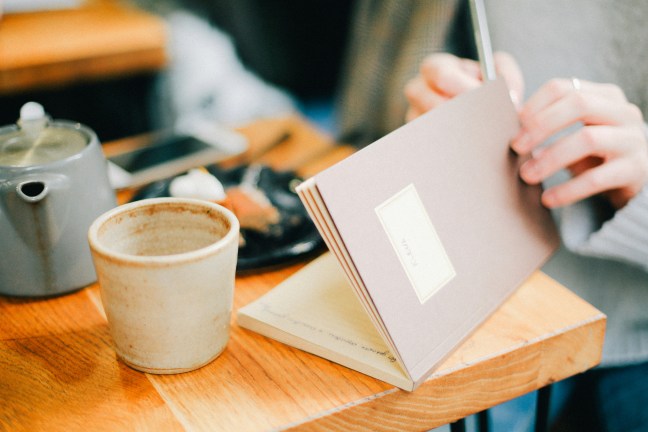
Ever wondered what those of us wielding the editorial pen do all day?
Well, my day usually begins with rooibos tea or a Barleycup latte (in the winter, an indulgent oat milk hot chocolate!) and guitar practice.
Some people like to rise with the dawn, exercise, journal, do morning pages…
I don’t do early!
But first thing, whenever I can, I practise the guitar.
Pandemic lockdown sealed this for me: in isolation, I returned to classical music and am so enjoying tackling canon pieces by Tárrega and Barrios.
I’ve set myself the challenge of learning Julia Florida by the end of the year.
It’s a beautiful piece (here’s how it’s played properly – not by me!).
The guitar has been a part of my life for nearly five decades. It’s essential to me both as a musical love and commitment to discipline. Like most things in life, practice never ends!
Afterwards I hit my desk, checking messages, social media and my schedule. If I’m on an editing commission I get straight on with the task, working through to lunch.
As an editor specialising in non-fiction, on any given day I could be copy or line-editing a book, working on a report for a think-tank, editing marketing, training or educational materials, or subbing website copy.
I also spend a great deal of time working with independent authors and self-publishers. I could be doing a structural edit for a book, reading and writing a report for a manuscript critique, working through notes for a development edit, curating pictures or writing blurb and online promo copy.
Equally, I could be on a call with a client to discuss their latest stage of writing and development progress.
Working directly with authors is incredibly rewarding. The process is as much about positive and happy collaboration as it is about what’s on the page – and when the fit is right, it’s a great experience!
As an editor, I’m deeply privileged to be able to help writers – especially new ones – actualise their creativity and achieve their dream of publication. Watching them find their voice and grow in confidence is a really gratifying part of my job.
Lunch is usually something healthy and quick, then I’ll run errands or go for a short walk. When you work at home it’s important to break up your day, so I try to get away from my desk for a little while.

In the afternoon I return to my commission and break again midway for tea and a homemade sweet treat.
(You’ve guessed it – food is a significant part of my working day. Rocky Road is my favourite – thanks Nigella!)
Editing is a mentally demanding job, it’s better to do deep work when your mind is fresh. The later afternoon is generally about doing less detailed tasks, and using the available time to look at what needs doing the next day.
When I’m not on editorial commissions, I use the time to regroup.
Working on your business is just as important as working in it, so researching, thinking time and connecting with others are all invaluable.
No matter how experienced you are, investing time in continuing professional development is essential too – keeping abreast of industry developments, and staying up-to-date on skills and training.
However, one of the nicest things about being a freelancer is is being able to carve out some virtual time with fellow independents and professional society colleagues to catch up with what they’re doing.
This is one of the joys of working for yourself: the freedom to plan your own time.
Aside from editing, I also write. Editing is a highly analytical profession, and freeing yourself to flex your own creative muscles restores balance.
Moreover, editors need to study the craft of writing and, aside from actually reading creative writing, there’s no better way than to get stuck in and experience it yourself.
I’ve been blogging and writing articles since the early 2000s, and found it to be a great way to hone writing skills, as it’s short form.
This forces you to do four things:
- commit to writing regularly
- deep-dive into structure and sense
- edit ruthlessly and make every word count
- keep your audience engaged.
No matter what my schedule, I tend to stop around 5pm. I’m a firm believer in not working late – not unless you absolutely have to.
Structure is key to productivity, and space to recharge is important, especially after a day of deep work.
Sometimes a project really is urgent and you have to do long days or work unsocial hours, which is fine – but a good work–life balance is crucial when you’re a creative.
Downtime is just as relevant to replenish the mind for another day doing what I love: working with the written word.
For more about me and my work, check out my ‘Meet Our Members’ profile at the CIEP!
 Lisa Cordaro Publishing Services